> For the complete documentation index, see [llms.txt](https://docs.convai.com/api-docs/llms.txt). Markdown versions of documentation pages are available by appending `.md` to page URLs; this page is available as [Markdown](https://docs.convai.com/api-docs/plugins-and-integrations/unity-plugin/building-for-supported-platforms/convai-xr/building-for-mr/mr-automatic-installation.md).
# MR Automatic Installation
Automatic Installation Steps
## Automatic Installation Steps
{% hint style="success" %}
The Automatic Installation method is ideal for users starting new projects who want a straightforward setup. It provides a fully integrated Convai MR project from the beginning, ensuring a smoother development experience.
{% endhint %}
### Step 1
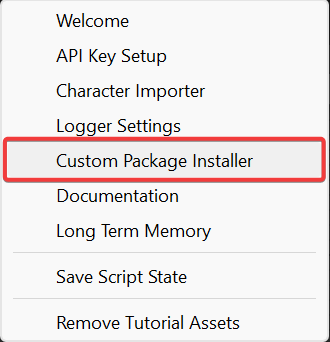
In the top menu, click on **Convai**. Then, select **Custom Package Installer**.
### Step 2
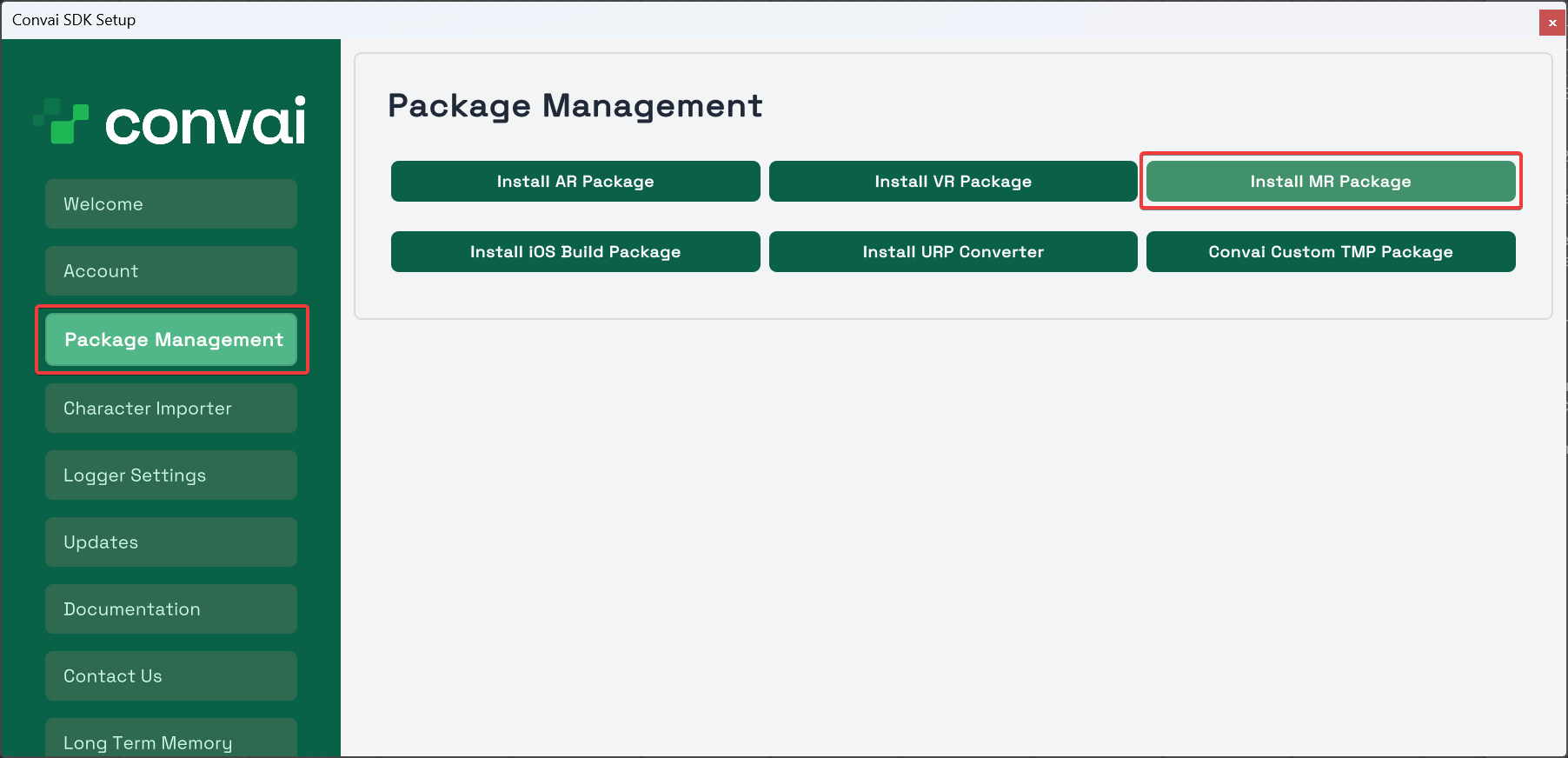
In the Convai Panel that appears, click on **Package Management** and then select **Install MR Package**.
### Step 3
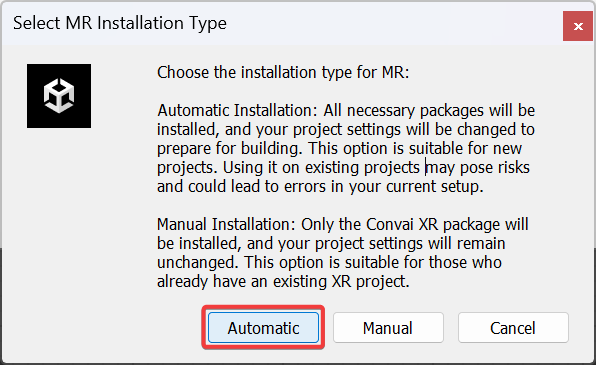
A new window will appear prompting you to select your installation type. For this documentation, we will proceed with **Automatic Installation**.
### Step 4
In the next window, carefully read the setup instructions, warnings, and details of the changes that will be applied.
### Step 5
When ready to proceed, click **Yes, proceed**.
### Step 6
The installation process will begin, taking approximately 5 minutes. The duration may vary depending on your computer's performance.
### Step 7
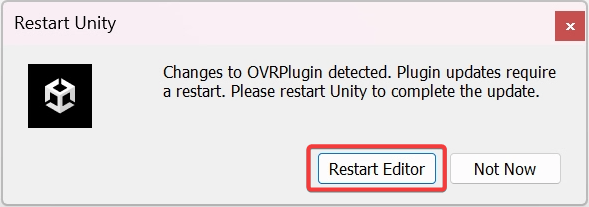
If a prompt titled **OVRPlugin Detected** from MetaSDK appears, click **Restart Editor** to continue.
### Step 8
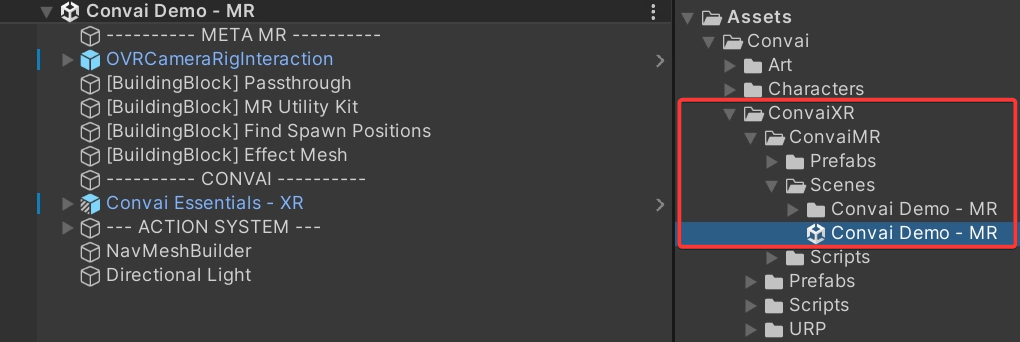
Once the installation is complete, it’s time to open the demo scene.
* Navigate to **Assets > Convai > ConvaiXR > ConvaiMR > Scenes** and open **Convai Demo - MR**.
### Step 9
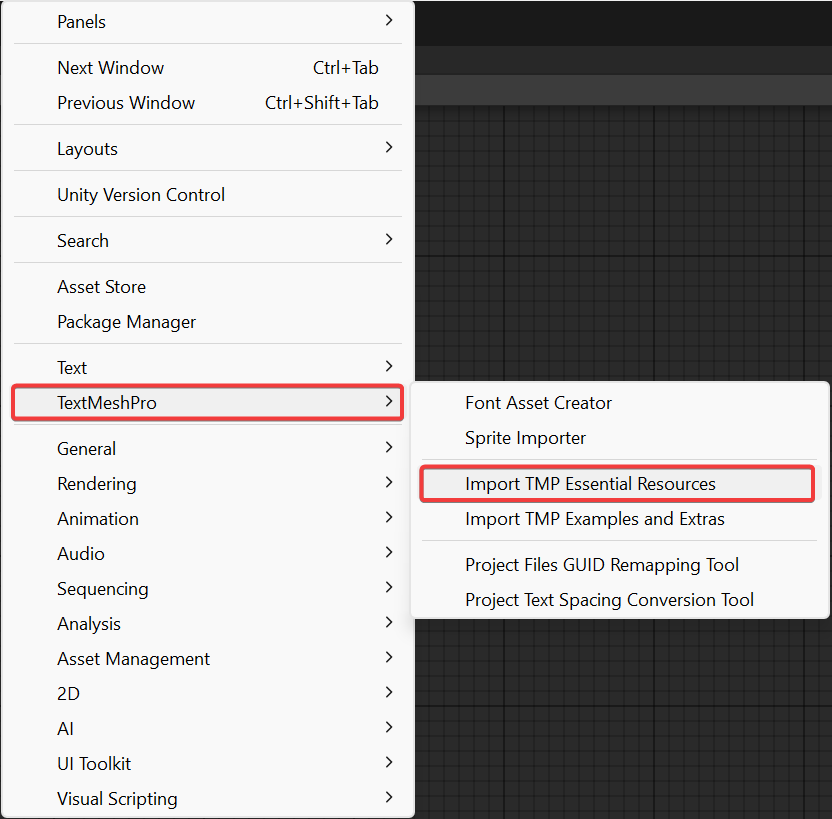
If you don’t have the **TextMeshPro** package installed, you’ll need it to display text properly in the demo scene. To install it:
* Go to **Window > TextMeshPro > Import TMP Essential Resources**.
* In the **Unity Package Import** window that appears, click **Import**.
### **Step 10**
Everything is now set up! :tada::sunglasses:
You can build your project by going to **File > Build Settings**.
## Replacing the Spawned Character
### Step 1
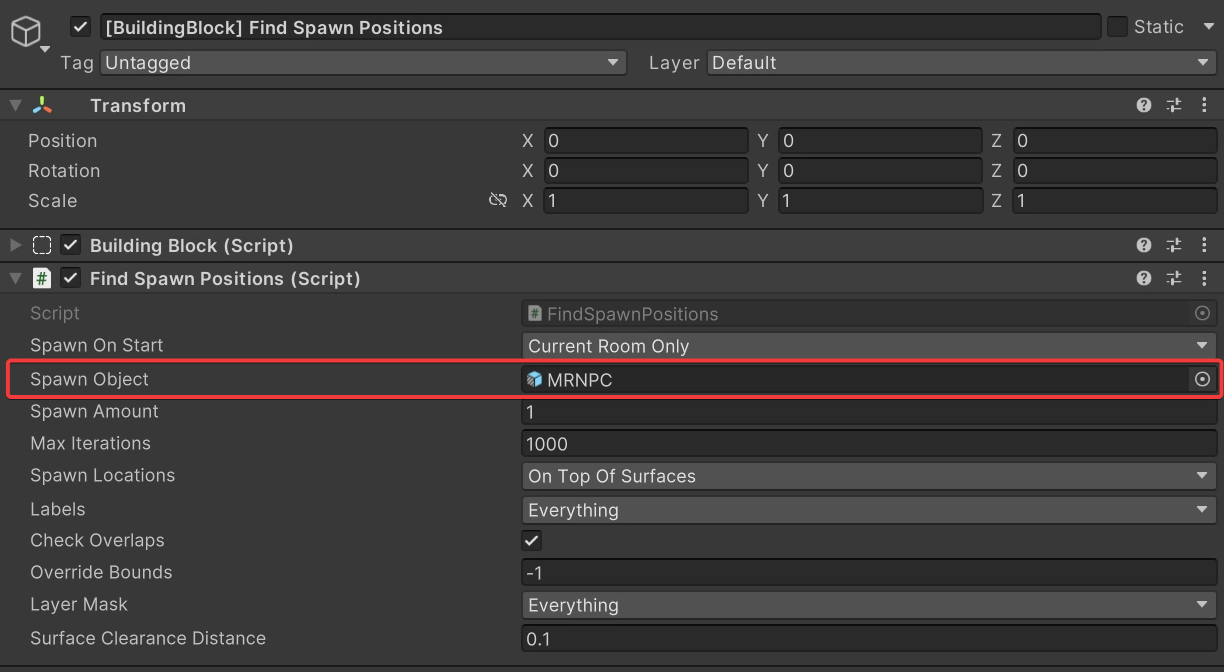
In the demo scene, select **\[BuildingBlock] Find Spawn Positions** in the hierarchy.
### Step 2
In the **Spawn Object** field, drag and drop the character you imported into the project.
* If you’re unsure how to import your character, please refer to the relevant documentation [here](/api-docs/plugins-and-integrations/unity-plugin/unity-importing-ready-player-me-rpm-characters.md).
{% hint style="info" %}
This demo scene uses **MetaSDK** by default. However, you are free to use other methods or SDKs to spawn your character, as there are no restrictions.
{% endhint %}
---
# Agent Instructions
This documentation is published with GitBook. GitBook is the documentation platform designed so that both humans and AI agents can read, navigate, and reason over technical content effectively. Learn more at gitbook.com.
## Querying This Documentation
If you need additional information that is not directly available in this page, you can query the documentation dynamically by asking a question.
Perform an HTTP GET request on the current page URL with the `ask` query parameter, and the optional `goal` query parameter:
```
GET https://docs.convai.com/api-docs/plugins-and-integrations/unity-plugin/building-for-supported-platforms/convai-xr/building-for-mr/mr-automatic-installation.md?ask=&goal=
```
`ask` is the immediate question: it should be specific, self-contained, and written in natural language.
`goal` is optional and describes the broader end goal you are ultimately trying to accomplish on behalf of the user. GitBook uses it to tailor the answer towards what is most useful for that goal.
The response will contain a direct answer to the question and relevant excerpts and sources from the documentation.
Use this mechanism when the answer is not explicitly present in the current page, you need clarification or additional context, or you want to retrieve related documentation sections.